
Fostering Future Leaders in Healthcare: Educational Programs for Muslim Medical Professionals


Have you ever wondered how educational programs in healthcare play a crucial role in shaping the leaders of tomorrow? In an increasingly complex and rapidly evolving healthcare landscape, it is essential to cultivate future leaders who are not only skilled in medical practice but also equipped with the vision, resilience, and empathy required to navigate the challenges ahead. For the Muslim medical community, this task is particularly significant as it seeks to address the unique needs of diverse populations and contribute to the overall betterment of society. The Dallas Muslim Medical Alliance (DMMA) is committed to fostering future healthcare providers by offering comprehensive educational programs, professional development opportunities, and a strong network for growth. These initiatives empower Muslim medical professionals to lead with confidence and compassion, ensuring a brighter future for healthcare.
The Importance of Educational Programs in Healthcare
Educational programs in healthcare are more than just a means to acquire knowledge; they are a foundation for developing the competencies and leadership skills necessary for advancing the field. These programs provide healthcare professionals with the tools they need to stay current with the latest medical advancements, engage in lifelong learning, and effectively lead in their respective areas of expertise. For Muslim medical professionals, participating in these programs also offers the chance to integrate their cultural and ethical values into their practice, making them better equipped to serve their communities.
Why Educational Programs Matter in Healthcare Leadership
Educational programs are essential for healthcare leadership for several reasons:
- Knowledge and Skill Enhancement: Healthcare is a field that is continuously evolving, with new treatments, technologies, and best practices emerging regularly. Educational programs help professionals stay updated and refine their skills, enabling them to provide the best possible care.
- Leadership Development: Effective leadership in healthcare requires more than clinical expertise. Educational programs that focus on leadership development teach healthcare providers how to manage teams, make strategic decisions, and navigate the complexities of healthcare systems.
- Ethical and Cultural Competency: For the Muslim medical community, educational programs offer the opportunity to explore how cultural and ethical values can be integrated into patient care, ensuring that healthcare is delivered with respect and sensitivity to diverse populations.
- Community Impact: By equipping healthcare professionals with the skills and knowledge needed to lead, educational programs also empower them to make a greater impact on their communities through improved healthcare delivery and community service initiatives.
The Role of the Dallas Muslim Medical Alliance in Supporting Educational Programs
The Dallas Muslim Medical Alliance (DMMA) is at the forefront of supporting educational programs in healthcare tailored to the needs of the Muslim medical community. Through a variety of initiatives, the DMMA provides Muslim healthcare professionals with access to cutting-edge education, professional development resources, and opportunities for networking and community service.
DMMA’s Educational Programs for Muslim Medical Professionals
The DMMA offers a range of educational programs designed to meet the unique needs of Muslim medical professionals. These programs are aimed at fostering professional development, enhancing clinical skills, and preparing future healthcare providers for leadership roles.
- Continuing Medical Education (CME): The DMMA offers CME programs that are essential for healthcare professionals who need to stay current with the latest medical knowledge and advancements. These programs cover a wide range of topics, from new treatment modalities to the integration of technology in healthcare, ensuring that professionals are well-equipped to provide high-quality care.
- Leadership Training Workshops: Recognizing the importance of leadership in healthcare, the DMMA organizes workshops focused on developing leadership skills. These workshops cover areas such as team management, strategic planning, and decision-making, providing participants with the tools they need to lead effectively in various healthcare settings.
- Cultural Competency and Ethics Seminars: Understanding the cultural and ethical aspects of healthcare is crucial for Muslim medical professionals. The DMMA’s seminars on cultural competency and ethics provide valuable insights into how healthcare providers can deliver care that respects the beliefs and values of their patients, while also upholding professional standards.
- Research and Innovation Programs: For those interested in advancing the field of medicine, the DMMA offers programs that support research and innovation. These programs provide training in research methodologies, grant writing, and project management, enabling healthcare professionals to contribute to medical advancements and improve patient care.
Professional Development Through Educational Programs
Professional development is a key aspect of educational programs in healthcare. By engaging in continuous learning and development, Muslim medical professionals can advance their careers, enhance their practice, and take on leadership roles within the healthcare system.
How Educational Programs Support Professional Development
Educational programs support professional development in several important ways:
- Skill Advancement: Whether it’s learning about the latest surgical techniques or understanding new healthcare regulations, educational programs help professionals stay at the forefront of their fields. This continuous skill advancement is crucial for career growth and maintaining a high standard of care.
- Networking Opportunities: Educational programs often provide opportunities for networking, allowing professionals to connect with peers, mentors, and leaders in the field. These connections can lead to collaborative opportunities, mentorship, and the sharing of best practices.
- Certification and Specialization: Many educational programs offer certifications or specializations in specific areas of healthcare. These credentials can enhance a professional’s qualifications, opening doors to new career opportunities and leadership positions.
- Personal Growth and Confidence: Engaging in educational programs can also lead to personal growth, as professionals gain confidence in their abilities and expand their understanding of the broader healthcare landscape. This confidence is essential for effective leadership and decision-making.
Networking for Growth: Building a Strong Professional Community
Networking is an integral part of professional growth, and the DMMA places a strong emphasis on fostering connections among Muslim medical professionals. By creating opportunities for networking, the DMMA helps professionals build a strong support system, share knowledge, and collaborate on initiatives that benefit the broader healthcare community.
The Role of Networking in Professional Development
Networking plays a crucial role in professional development for several reasons:
- Collaboration Opportunities: Networking allows healthcare professionals to find potential collaborators for research projects, community service initiatives, and clinical practice enhancements. These collaborations can lead to new insights, innovations, and improvements in patient care.
- Mentorship and Guidance: Through networking, professionals can connect with mentors who can provide guidance and support as they navigate their careers. Mentorship is particularly valuable for young professionals who are just starting out in the healthcare field.
- Sharing Best Practices: Networking events and platforms provide a space for professionals to share best practices, discuss challenges, and learn from each other’s experiences. This exchange of knowledge is essential for continuous improvement in healthcare delivery.
- Building a Supportive Community: For the Muslim medical community, networking also offers the chance to build a supportive professional community where members can share their unique experiences and challenges, fostering a sense of belonging and mutual support.
DMMA’s Networking Initiatives for Muslim Medical Professionals
The DMMA offers a variety of networking initiatives designed to help Muslim medical professionals connect, collaborate, and grow:
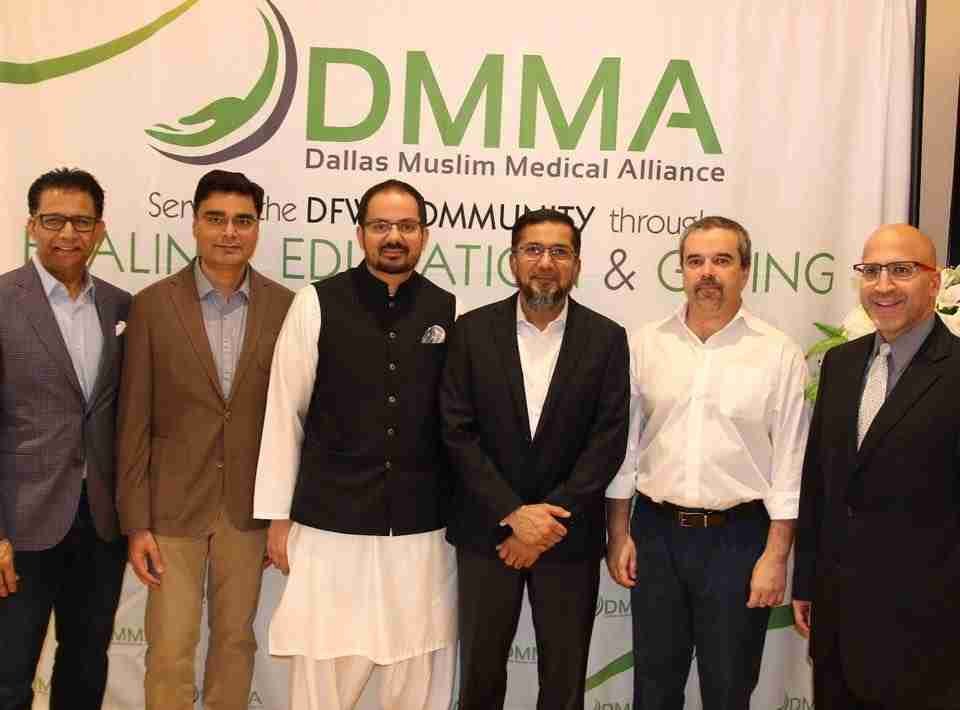
- Professional Networking Events: The DMMA hosts regular networking events, such as conferences, workshops, and social gatherings. These events provide opportunities for professionals to meet, share their experiences, and explore collaborative opportunities.
- Online Networking Platforms: In addition to in-person events, the DMMA offers online platforms where members can connect, share resources, and discuss relevant topics. These platforms are particularly useful for professionals who may not be able to attend events in person but still want to engage with their peers.
- Mentorship Programs: The DMMA’s mentorship programs pair experienced healthcare professionals with those who are early in their careers. These programs provide valuable guidance and support, helping young professionals develop their skills and navigate the challenges of their careers.
Preparing Future Healthcare Providers Through Educational Programs
Preparing future healthcare providers is a central goal of educational programs. By offering training, mentorship, and practical experience, these programs ensure that the next generation of healthcare professionals is well-equipped to meet the challenges of the future.
How Educational Programs Prepare Future Healthcare Providers
Educational programs prepare future healthcare providers in several key ways:
- Comprehensive Training: Educational programs offer comprehensive training in both clinical and non-clinical areas, ensuring that future healthcare providers have the knowledge and skills they need to deliver high-quality care.
- Exposure to Diverse Settings: Many educational programs include rotations or internships in various healthcare settings, from hospitals to community clinics. This exposure helps future providers understand the different contexts in which healthcare is delivered and develop a well-rounded approach to patient care.
- Focus on Leadership: Preparing future healthcare providers for leadership roles is essential in today’s healthcare environment. Educational programs that emphasize leadership development ensure that future providers are ready to take on responsibilities such as managing teams, leading projects, and making strategic decisions.
- Commitment to Ethics and Cultural Competency: Educational programs also focus on teaching future healthcare providers about the ethical considerations and cultural competencies that are crucial in today’s diverse healthcare landscape. This training helps providers deliver care that is respectful, compassionate, and effective.
Community Service Opportunities as a Component of Educational Programs
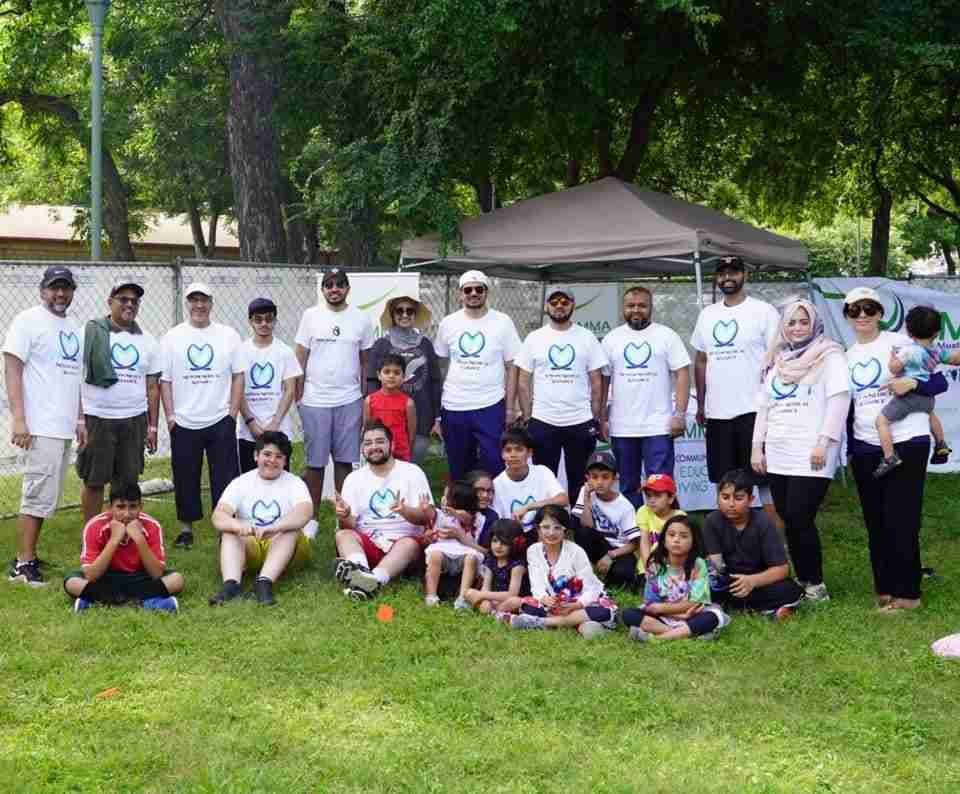
Community service is a vital component of educational programs, offering healthcare professionals the chance to apply their skills in real-world settings while making a positive impact on the community. The DMMA emphasizes the importance of community service as a part of its educational initiatives, recognizing that service to others is both a professional responsibility and a key aspect of personal growth.
The Role of Community Service in Professional Development
Community service opportunities contribute to professional development in several ways:
- Practical Experience: Community service projects provide healthcare professionals with hands-on experience in addressing real-world health challenges. This practical experience is invaluable for developing problem-solving skills and gaining a deeper understanding of public health issues.
- Community Engagement: Engaging in community service helps healthcare professionals build relationships with the communities they serve, fostering trust and collaboration. This engagement is essential for delivering effective and culturally sensitive care.
- Personal Fulfillment and Ethical Responsibility: For many healthcare professionals, community service is a way to fulfill their ethical responsibility to give back to society. This service offers personal fulfillment and a sense of purpose, enhancing job satisfaction and motivation.
- Building Leadership Skills: Many community service projects involve leading teams, organizing events, or managing resources. These responsibilities help healthcare professionals develop leadership skills that are crucial for their careers.
DMMA’s Community Service Initiatives
The DMMA supports a range of community service initiatives that are integrated into its educational programs:
- Health Fairs and Screenings: The DMMA organizes health fairs and screenings that provide free or low-cost health services to underserved populations. These events offer healthcare professionals the opportunity to apply their skills in a community setting and make a meaningful impact.
- Public Health Campaigns: The DMMA supports public health campaigns that focus on issues such as disease prevention, mental health awareness, and healthy living. These campaigns often involve community outreach and education, providing valuable experience for healthcare professionals.
- Volunteer Opportunities: The DMMA offers a variety of volunteer opportunities, allowing healthcare professionals to contribute their time and expertise to community service projects. These opportunities are designed to be flexible, accommodating the busy schedules of healthcare providers while still making a significant impact.
Conclusion: The Future of Healthcare Leadership Through Education
Educational programs in healthcare are essential for fostering the next generation of leaders within the Muslim medical community. By providing comprehensive training, leadership development, and opportunities for community service, these programs ensure that future healthcare providers are well-equipped to meet the challenges of the healthcare landscape and make a positive impact on society. The Dallas Muslim Medical Alliance (DMMA) is dedicated to supporting these educational initiatives, offering its members the resources, networking opportunities, and support they need to succeed.
Through its commitment to educational excellence, professional development, and community service, the DMMA is helping to shape the future of healthcare leadership, ensuring that Muslim medical professionals are prepared to lead with skill, compassion, and integrity.
Disclaimer: This blog post is for informational purposes only. The Dallas Muslim Medical Alliance (DMMA) provides educational programs and resources to support the professional development and leadership growth of Muslim healthcare professionals.


Responses