
The Role of Community Service in Advancing Muslim Medical Practices

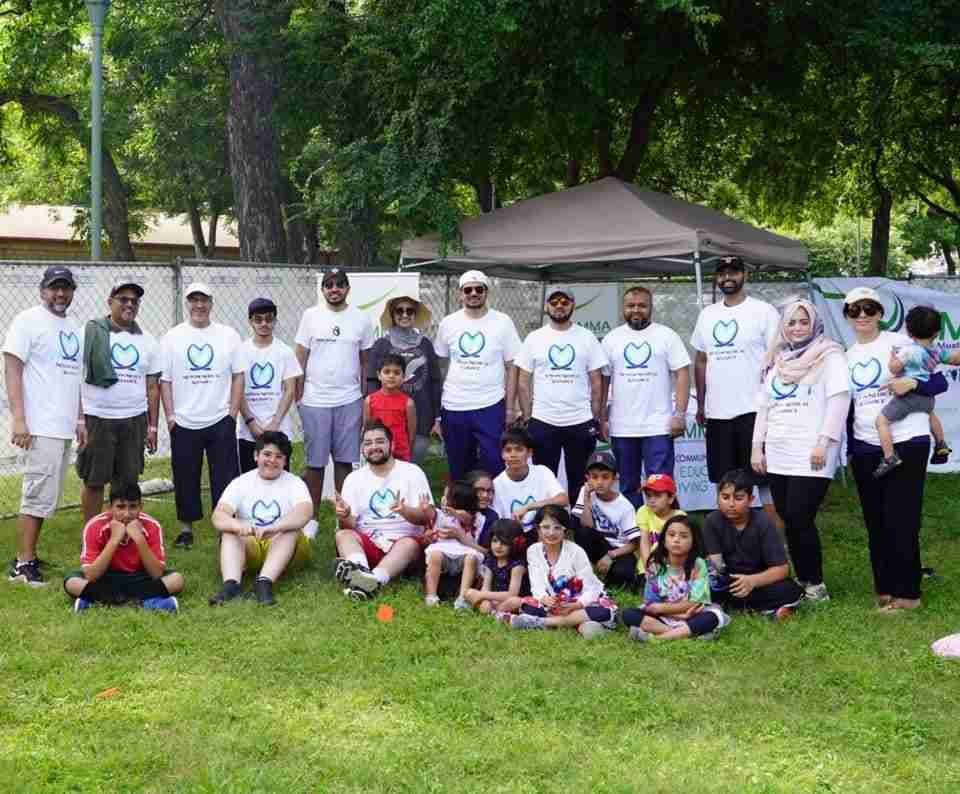
Have you ever considered how community service in healthcare can transform and advance medical practices, particularly within the Muslim community? For many Muslim healthcare professionals, the commitment to community service is not only a reflection of their values but also a vital component of their professional journey. The Dallas Muslim Medical Alliance (DMMA) recognizes the significant role that community service plays in fostering healthcare excellence, professional growth, and community engagement. By integrating community service into their practice, Muslim healthcare providers can enhance their skills, expand their impact, and contribute to the overall well-being of the communities they serve.
The Importance of Community Service in Healthcare
Community service in healthcare is more than a noble endeavor; it is a strategic approach to enhancing healthcare practices and addressing the needs of underserved populations. For Muslim medical professionals, engaging in community service is an opportunity to fulfill their ethical and religious obligations while also advancing their careers. Through community service, healthcare providers can connect with diverse populations, understand their unique health needs, and tailor their services to better meet those needs.
Why Community Service Matters in Healthcare
Community service in healthcare is crucial for several reasons:
- Improved Patient Outcomes: Community service initiatives often focus on preventive care, health education, and early intervention, which are key to improving patient outcomes and reducing the burden of chronic diseases.
- Increased Access to Care: Many community service programs target underserved populations who may not have regular access to healthcare. By providing services in these communities, healthcare professionals can bridge the gap in access and ensure that more people receive the care they need.
- Professional Development: Community service offers healthcare providers the chance to develop new skills, gain experience in different areas of medicine, and broaden their understanding of public health issues.
- Strengthening Community Ties: Engaging in community service helps healthcare professionals build strong relationships with the communities they serve, fostering trust and collaboration that are essential for effective healthcare delivery.
The Role of the Muslim Medical Alliance in Promoting Community Service
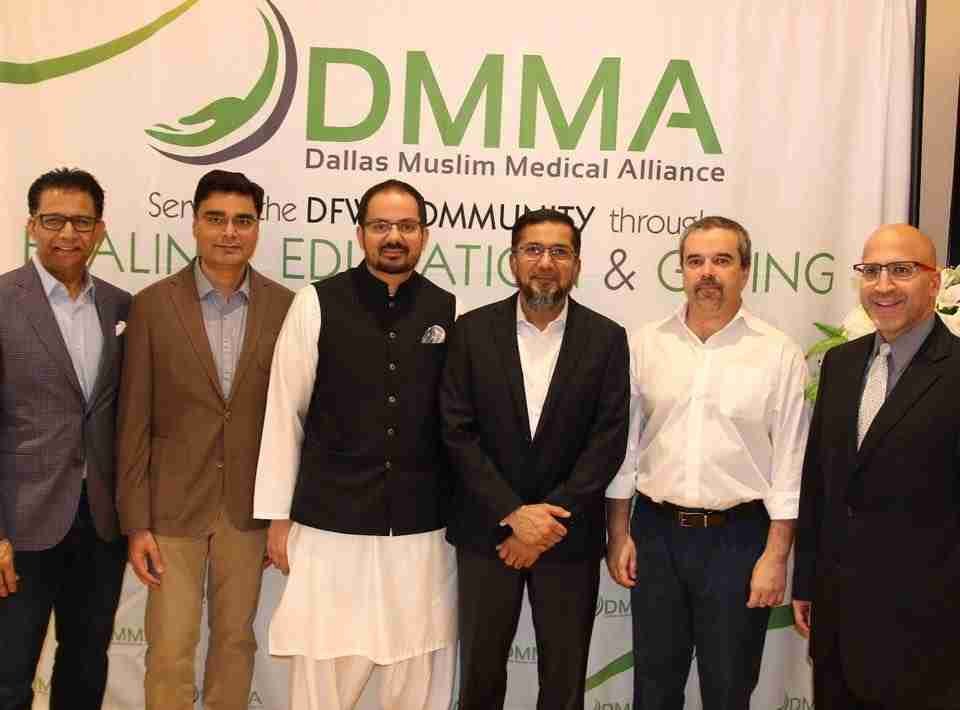
The Dallas Muslim Medical Alliance (DMMA) plays a pivotal role in promoting community service among Muslim healthcare professionals. By providing resources, organizing events, and offering educational initiatives, the DMMA empowers its members to actively engage in community service and make a meaningful impact on public health.
How the DMMA Supports Community Service in Healthcare
The DMMA supports community service in healthcare through several key initiatives:
- Community Health Programs: The DMMA organizes community health programs that address the specific health needs of local populations. These programs often include health screenings, immunization drives, and health education workshops, providing essential services to underserved communities.
- Volunteer Opportunities: The DMMA offers its members a variety of volunteer opportunities, allowing them to contribute their time and expertise to community service projects. These opportunities are designed to be flexible, accommodating the busy schedules of healthcare professionals while still making a significant impact.
- Partnerships with Local Organizations: The DMMA collaborates with local organizations, such as mosques, schools, and non-profits, to expand the reach of its community service initiatives. These partnerships help to ensure that the services provided are culturally sensitive and tailored to the needs of the community.
- Public Health Campaigns: The DMMA supports public health campaigns that raise awareness about critical health issues, such as chronic disease prevention, mental health, and healthy living. These campaigns often involve community service components, such as educational workshops and resource distribution.
The Impact of Community Service on Healthcare Excellence
Community service is a powerful tool for achieving healthcare excellence. By engaging in community service, Muslim healthcare professionals can enhance the quality of care they provide, improve patient outcomes, and contribute to the overall effectiveness of the healthcare system.
How Community Service Enhances Healthcare Excellence
Community service contributes to healthcare excellence in several ways:
- Holistic Care: Community service initiatives often focus on the social determinants of health, such as education, housing, and nutrition. By addressing these factors, healthcare professionals can provide more holistic care that goes beyond treating symptoms to improving overall well-being.
- Cultural Competency: Engaging with diverse communities through service projects helps healthcare providers develop cultural competency, which is essential for delivering effective care in multicultural societies. This competency allows professionals to better understand and meet the needs of their patients, leading to higher levels of patient satisfaction and trust.
- Innovative Solutions: Community service projects often require healthcare professionals to think creatively and develop innovative solutions to complex health problems. This innovation can lead to new approaches to care that can be integrated into everyday practice, improving overall healthcare delivery.
- Continual Learning: Community service provides ongoing opportunities for learning and professional development. By working in different settings and with diverse populations, healthcare professionals can expand their knowledge and skills, staying current with the latest developments in medicine and public health.
Community Engagement as a Foundation for Healthcare Excellence
Community engagement is at the heart of community service in healthcare. By actively engaging with the communities they serve, Muslim healthcare professionals can build trust, improve communication, and create partnerships that enhance the effectiveness of their practice.
The Role of Community Engagement in Advancing Medical Practices
Community engagement plays a crucial role in advancing medical practices:
- Building Trust: Trust is essential for effective healthcare delivery. By engaging with communities through service projects, healthcare professionals can build trust with their patients, leading to better health outcomes and a stronger provider-patient relationship.
- Enhancing Communication: Effective communication is key to understanding and addressing the health needs of a community. Through community engagement, healthcare providers can improve their communication skills, ensuring that they can effectively convey important health information to their patients.
- Creating Partnerships: Community engagement often involves collaboration with other organizations and stakeholders. These partnerships can lead to more comprehensive and coordinated care, as well as new opportunities for professional growth and development.
- Empowering Communities: Community engagement empowers individuals and communities by providing them with the knowledge and resources they need to take control of their health. This empowerment can lead to lasting improvements in health and well-being.
Professional Growth Through Community Service
Community service is not only beneficial for the communities served but also for the healthcare professionals who participate. Engaging in community service can lead to significant professional growth, providing opportunities for learning, skill development, and career advancement.
How Community Service Contributes to Professional Growth
Community service contributes to professional growth in several ways:
- Skill Development: Community service projects often require healthcare professionals to use and develop a wide range of skills, from clinical skills to leadership and project management. These experiences can enhance a professional’s capabilities and make them more effective in their primary roles.
- Career Advancement: Engaging in community service can open doors to new career opportunities, whether through networking, gaining new experiences, or demonstrating a commitment to public service. Many healthcare organizations value community service experience, recognizing it as a sign of a well-rounded and dedicated professional.
- Leadership Opportunities: Community service often involves leading projects or teams, providing healthcare professionals with valuable leadership experience. This experience can be beneficial for those looking to advance into leadership roles within their organizations or the broader healthcare field.
- Personal Fulfillment: Community service offers a sense of personal fulfillment that comes from making a positive difference in the lives of others. This fulfillment can enhance job satisfaction and motivation, leading to a more rewarding career in healthcare.
Educational Initiatives and Community Service
Educational initiatives are a key component of community service in healthcare. By providing education and training to both healthcare professionals and community members, these initiatives help to improve health outcomes and empower individuals to take control of their health.
The Role of Educational Initiatives in Community Service
Educational initiatives in community service play several important roles:
- Health Education for the Community: Educational programs aimed at the community can raise awareness about important health issues, promote healthy behaviors, and empower individuals to make informed decisions about their health. These programs are particularly effective when they are culturally tailored to meet the needs of specific populations.
- Training for Healthcare Professionals: Educational initiatives also provide training for healthcare professionals, helping them to develop the skills and knowledge needed to effectively serve their communities. This training can include topics such as cultural competency, public health, and community outreach.
- Research and Innovation: Educational initiatives often involve research and the development of new approaches to healthcare. By participating in these initiatives, healthcare professionals can contribute to the advancement of medical knowledge and the improvement of healthcare practices.
- Collaborative Learning: Educational initiatives that involve community service offer opportunities for collaborative learning, where healthcare professionals can learn from each other and from the communities they serve. This collaborative approach can lead to more effective and innovative healthcare solutions.
The DMMA’s Educational Initiatives for Community Service
The DMMA offers a range of educational initiatives designed to support community service and professional growth:
- Workshops and Seminars: The DMMA hosts workshops and seminars on topics related to community service, such as public health, cultural competency, and healthcare leadership. These events provide healthcare professionals with the knowledge and skills they need to effectively engage in community service.
- Continuing Education Programs: The DMMA offers continuing education programs that focus on community health and service. These programs are designed to help healthcare professionals stay current with the latest developments in public health and community service practices.
- Mentorship and Training Programs: The DMMA’s mentorship and training programs connect experienced healthcare professionals with those new to the field, providing guidance, support, and opportunities for learning and growth. These programs are particularly valuable for those interested in integrating community service into their practice.
Conclusion: The Integral Role of Community Service in Healthcare
Community service in healthcare is a vital component of advancing medical practices, particularly within the Muslim community. Through community service, healthcare professionals can enhance their skills, build trust with the communities they serve, and contribute to the overall improvement of public health. The Dallas Muslim Medical Alliance (DMMA) is dedicated to supporting community service initiatives that empower healthcare professionals and promote healthcare excellence.
By offering resources, organizing events, and providing educational initiatives, the DMMA ensures that its members are well-equipped to engage in community service and make a meaningful impact on the health and well-being of their communities. As healthcare continues to evolve, the importance of community service will only grow, and the DMMA is committed to leading the way in promoting and supporting these essential efforts.
Disclaimer: This blog post is for informational purposes only. The Dallas Muslim Medical Alliance (DMMA) provides resources and support for community service in healthcare, aiming to advance medical practices and improve community health.



Responses